
Retiree Auto Insurance Costs — Minnesota
Free to compare
Why Your Premium Keeps Rising on a Fixed Income
You have not had an accident in years. No tickets. Same car. Same address. Yet your auto insurance premium increased at renewal, and when you called to ask why, the answer was vague: industry trends, inflation, rising claims costs. You are on Social Security or a fixed pension, and every dollar counts. The premium increase is real money you cannot absorb without cutting something else.
Minnesota law gives you leverage most seniors never use. Carriers operating in this state are required by statute to offer a mature-driver discount of at least 10% to insureds age 55 and older. The discount is not automatic. It requires an action on your part, and most carriers will not remind you at renewal. This article walks the full path: how the statutory discount works, what low-mileage reclassification can save you, and when dropping collision on an older paid-off vehicle makes financial sense given Minnesota rate structures.
“The certificate expires every three years, the discount disappears, and your renewal notice never tells you why the premium went up.”

Keep Your Coverage Without Overpaying
Compare Senior Auto Insurance Rates10%
Minnesota Statutory Discount Floor
Carriers must offer at least this percentage reduction to drivers 55 and older who meet eligibility requirements. Many offer more, but the 10% floor is the legal minimum you are entitled to ask for.
Minn. Stat. §65B.28 (at least 10% for insureds 55+)
The Mature-Driver Discount Is Legal, Not Automatic
Minnesota statute requires insurers to offer the discount. It does not require them to apply it without your request. The majority of carriers writing in Minnesota tier their mature-driver discount into two paths: an age-based reduction that applies automatically at 55 or 65 depending on the carrier, and a larger discount available only to drivers who complete a state-approved defensive driving course and submit proof.
The confusion compounds at renewal. Even if you claimed the course-based discount once, the certificate expires. Most carriers require a new certificate every three years. If you do not submit a fresh one before your renewal date, the discount disappears and the premium reverts to the higher rate. Your renewal notice will not tell you this happened. You will see the increase and assume it is inflation or claims trends. It is not. It is the lapsed certificate.
Ask your current carrier two specific questions: does the discount I am receiving renew automatically, or does it require certificate resubmission? And what is the expiration date of the certificate on file? If they cannot answer immediately, the certificate either expired or was never filed. You have been paying the higher rate.
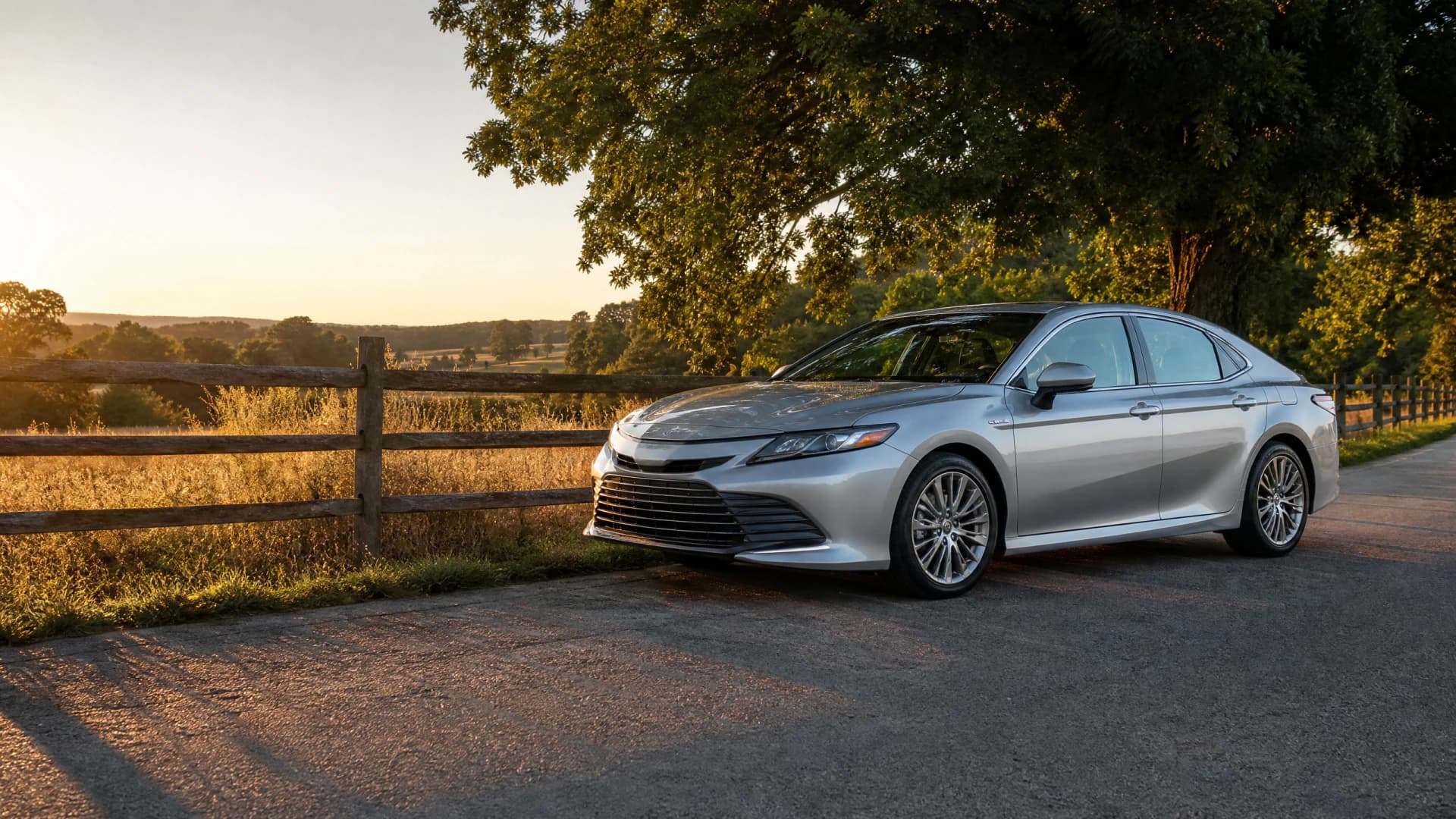
The blocker: your carrier applied the discount once, you assume it renews automatically, and three years later it lapses without notice. You keep paying the pre-discount rate and never know why.
Related Articles







Low-Mileage Reclassification Saves More Than the Discount Alone
Retirement changes how much you drive. The daily commute is gone. Errands consolidate. Many retirees drive under 5,000 miles annually. Your carrier still prices you as though you drive 12,000 or more because that was your declared mileage when you bought the policy and you never updated it.
Low-mileage discounts in Minnesota vary by carrier but typically require annual mileage under 7,500 miles. Some carriers set the threshold at 5,000. The discount applies as a rate-class shift, not a simple percentage off. That shift can save more than the mature-driver course discount, especially if your vehicle is garaged in a metro county where base rates are higher. Call your carrier and ask for mileage reclassification. They will ask for an odometer photo or reading. Provide it. If your actual annual mileage qualifies and they refuse to reclassify, you have confirmation that switching carriers is the correct path.
Pay-per-mile programs are available from a small number of carriers writing in Minnesota but remain rare. These programs charge a base rate plus a per-mile fee tracked via telematics. They work well for drivers under 3,000 miles annually. Above that threshold, a traditional low-mileage discount usually costs less. Ask whether your carrier offers pay-per-mile before assuming telematics is your only option.

When Dropping Collision Makes Sense on a Paid-Off Vehicle
Minnesota does not require collision or comprehensive coverage by law. The state mandates liability, personal injury protection, and uninsured motorist coverage. Collision and comprehensive are optional once your vehicle is paid off and no lienholder requires them. The question is whether the premium you pay annually exceeds the realistic payout you would receive after the deductible if the vehicle were totaled.
Walk the math with your actual figures. If your vehicle is worth $4,000 according to private-party valuation, your collision deductible is $500, and your annual collision premium is $320, the maximum net claim you could receive is $3,500. You recover your annual premium after roughly 13 months of coverage. If you plan to keep the vehicle longer than that and you have the cash reserves to replace it if totaled, dropping collision is a rational financial decision. If you do not have replacement reserves and a total loss would leave you unable to buy another vehicle, keep the coverage regardless of the premium-to-value ratio.
Comprehensive coverage operates under the same logic but with a different risk profile. Comprehensive pays for theft, weather damage, animal strikes, and vandalism. In Minnesota, deer-strike claims and hail damage are the dominant comprehensive claim types outside the Twin Cities metro. If you garage your vehicle in a rural county with high deer-collision rates or in a metro zip code with elevated theft rates, comprehensive coverage may justify its cost even on an older vehicle. Ask your carrier for your zip code's theft and comprehensive claim frequency before deciding. Do not drop it based solely on vehicle age.
$30,000
MN Bodily Injury Minimum Per Person
Minnesota requires $30,000 per person, $60,000 per accident, and $10,000 property damage as the liability floor. Retirement assets and home equity are exposed in an at-fault accident. Many financial planners recommend seniors carry $100,000/$300,000 or higher to protect those assets.
Minnesota auto insurance state minimum liability requirements
Liability Limits and Retirement Asset Protection
The state minimum liability limits are not a recommendation. They are the legal floor. If you cause an accident and the other party's medical bills exceed $30,000 per person, your insurer pays up to the limit and you are personally liable for the remainder. That liability can attach to your home, retirement accounts, and other assets depending on the judgment and Minnesota's asset-protection statutes.
Most financial advisors recommend seniors carry liability limits at or above $100,000 per person and $300,000 per accident. If your net worth including home equity exceeds $300,000, umbrella liability coverage becomes relevant. Umbrella policies cost roughly $200 to $400 annually for $1 million in additional coverage and sit on top of your auto and homeowners liability limits. The cost-to-protection ratio is favorable for retirees with significant assets. Ask your carrier whether bundling umbrella with auto and home produces a multi-policy discount that offsets the umbrella premium.

Compare Carriers That Write Senior Profiles Well
Not all carriers price senior drivers the same way. Some apply the statutory discount floor and stop there. Others layer multiple discounts and offer better rate classes for low-mileage retirees. The only way to know is to request quotes from at least three carriers writing in Minnesota and compare the coverage-adjusted premiums side by side. State Farm, Geico, and Progressive all write standard auto policies in Minnesota and accept online quotes. Auto-Owners and Amica operate in the preferred tier and may offer lower rates for seniors with clean records, but both require broker contact rather than direct online quoting.
When requesting quotes, provide your actual annual mileage, confirm whether you have completed a defensive driving course, and ask whether the mature-driver discount is already applied in the quote or requires certificate submission after binding. If the quote does not reflect the discount and the carrier requires post-bind submission, the quoted premium is not the real price. Adjust your comparison accordingly. Bring your current declaration page to the conversation so you can compare coverage limits and deductibles accurately. A lower premium with half the liability limit is not a better deal.
How to Claim the Full Statutory Discount
First, confirm your current carrier's mature-driver discount structure. Call and ask whether they offer an age-based discount that applies automatically and whether a course-completion discount is available on top of it. Write down both percentages and the certificate requirement. Some carriers apply the statutory 10% floor automatically at age 55; others require the course to reach it. Know which model your carrier uses before enrolling in a course.
Second, enroll in a state-approved defensive driving course. Minnesota does not maintain a single centralized list of approved providers, but AARP, AAA, and the National Safety Council courses are universally accepted. The course costs between $20 and $35 and can be completed online in four to eight hours. Upon completion, you receive a certificate. That certificate is what you submit to your carrier. Without it, the discount does not apply. Submit it before your next renewal date, not after the renewal processes. Late submission means you wait another six or twelve months depending on your policy cycle.
Get Your Free Quote
Compare Senior Auto Insurance RatesFrequently Asked Questions
Does Minnesota require insurers to offer a senior discount?
Yes. Minnesota law requires insurers to offer a mature-driver discount of at least 10% to drivers age 55 and older. The discount is not applied automatically at all carriers; some require completion of a state-approved defensive driving course and certificate submission.
How often do I need to renew my defensive driving course certificate?
Most carriers require a new certificate every three years. If you do not submit a fresh certificate before your renewal date, the discount lapses and your premium reverts to the higher rate. Ask your carrier for the expiration date of the certificate on file.
What counts as low mileage for a discount in Minnesota?
Carriers typically set the threshold between 5,000 and 7,500 miles annually. The discount applies as a rate-class reclassification, not a percentage off. Provide your carrier with an odometer reading to confirm eligibility.
Should I drop collision coverage on my paid-off car?
Walk the math. If your vehicle's value minus your deductible is less than two years of collision premiums and you have cash reserves to replace it, dropping collision is financially rational. If you cannot replace the vehicle out of pocket, keep the coverage.
Are the state minimum liability limits enough for retirees?
Minnesota requires $30,000 per person and $60,000 per accident in bodily injury liability. If your net worth including home equity exceeds that, you are personally liable for the difference in an at-fault accident. Many financial planners recommend $100,000/$300,000 or higher for retirees with significant assets.
Which carriers in Minnesota offer the best rates for senior drivers?
State Farm, Geico, and Progressive all write standard auto in Minnesota and accept online quotes. Auto-Owners and Amica operate in the preferred tier and may offer better rates for clean-record seniors but require broker contact. Compare at least three carriers with identical coverage limits.