
Low-Mileage Insurance for Retired Drivers — Wisconsin
Free to compare
Why Your Premium Still Reflects Miles You No Longer Drive
You retired two years ago and your annual mileage dropped from 12,000 to under 5,000, but your car insurance premium increased at renewal anyway. Your carrier still classifies you as a regular-use driver because you never told them your mileage changed. Wisconsin insurers set rates partly on annual mileage, but they do not automatically reclassify you when you stop commuting. The classification stays where it was until you request a change.
Low-mileage programs and usage-based insurance exist in Wisconsin, but enrollment is manual. Carriers do not scan your odometer at renewal or adjust your rate when you retire. The mileage bracket you were assigned years ago remains on your policy until you call your agent, submit a new estimate, or enroll in a telematics program that tracks your actual driving. Most retired drivers in Wisconsin pay commuter rates indefinitely because they never knew reclassification was an option.
“Carriers do not scan policy data for retirees or reclassify you when you stop commuting; the mileage bracket stays where it was until you request a change.”

Keep Your Coverage Without Overpaying
Compare Senior Auto Insurance Rates25
Carriers Writing Wisconsin Auto
Wisconsin's competitive carrier market includes 25 insurers confirmed writing auto policies in the state, spanning preferred, standard, and non-standard tiers. Low-mileage and telematics program availability varies by carrier; not all 25 offer mileage-based discounts.
NAIC carrier data verified via state Department of Insurance filings
Two Pathways: Low-Mileage Discounts and Usage-Based Programs
Wisconsin carriers offer two distinct mileage-reduction mechanisms. Low-mileage discounts apply a fixed percentage or dollar amount when you certify your annual mileage falls below a carrier-defined threshold, typically 5,000 to 7,500 miles per year. Usage-based insurance programs install a telematics device or smartphone app that tracks your actual mileage, driving hours, and sometimes braking patterns, then adjust your rate based on measured behavior.
The programs differ in how savings appear and what data carriers collect. Low-mileage discounts require you to estimate your annual mileage at renewal and the carrier applies a flat discount if you qualify. The carrier may ask for odometer verification annually. Usage-based programs measure your driving continuously and adjust your rate every six months based on actual data. The telematics approach can produce larger savings for very low mileage, but it also tracks time-of-day and braking, which may increase rates for seniors who drive short distances at night or brake more cautiously than younger drivers.
Not all 25 Wisconsin carriers offer both. State Farm, Progressive, Nationwide, and Allstate operate usage-based programs in Wisconsin. Smaller regional carriers and some preferred-tier insurers offer simple low-mileage discounts without telematics. If you drive under 5,000 miles annually and your driving patterns are routine daytime errands, the low-mileage discount pathway usually produces predictable savings without the behavioral tracking. If you drive under 3,000 miles and rarely leave your ZIP code, telematics may save more, but only if night driving and braking scores do not offset the mileage benefit.
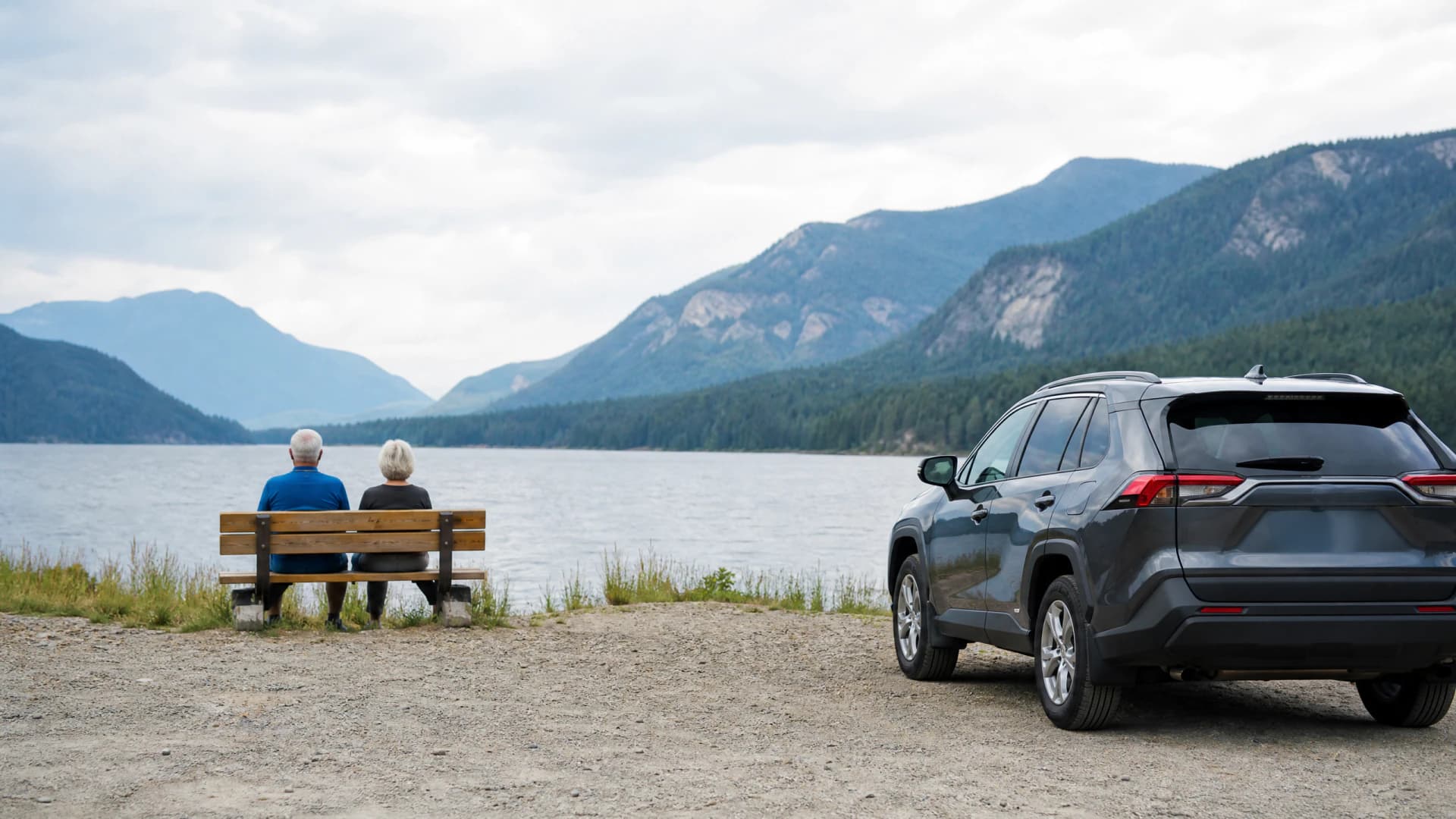
Most carriers require you to declare low mileage at renewal and re-certify annually; the discount does not carry forward automatically, and forgetting to re-submit your estimate reverts you to the standard rate.
Related Articles




Wisconsin Mature Driver Discount and Stacking Strategies
Wisconsin does not mandate a mature driver discount. State law does not require carriers to offer age-based or course-completion discounts, so each insurer sets its own rules. Many Wisconsin carriers offer a voluntary mature driver discount for drivers aged 55 or older who complete a state-approved defensive driving course, but the discount amount, eligibility age, and re-certification period vary by carrier.
The Wisconsin Department of Transportation maintains a list of approved defensive driving courses. Completion of an approved course may qualify you for a discount, but only if your carrier offers one and only if you submit the certificate at renewal. The certificate is typically valid for three years, after which you must complete a refresher course and re-submit to keep the discount. If you forget to re-submit, the discount disappears at your next renewal and you revert to the standard rate.
You can stack a low-mileage discount and a mature driver discount on the same policy. The two are independent: one applies for certified low annual mileage, the other applies for course completion. If your carrier offers both and you qualify for both, request both at renewal. Most carriers apply them as separate line items. The combined effect can reduce your premium significantly, but only if you claim both explicitly. Carriers do not scan your policy for stackable discounts you have not requested.
$25,000
WI Minimum Bodily Injury Per Person
Wisconsin's minimum liability insurance requirement is $25,000 per person, $50,000 per accident for bodily injury, and $10,000 for property damage. Retirees with home equity or retirement accounts should consider higher limits; the state minimum exposes personal assets in an at-fault accident.
Wis. Stat. § 344.62

When Low Mileage Justifies Dropping Collision on Paid-Off Vehicles
Many retired Wisconsin drivers own paid-off vehicles worth $4,000 to $8,000. If you drive under 5,000 miles annually and your vehicle is worth less than ten times your annual collision premium, dropping collision coverage is a legitimate financial decision. The rule of thumb: if your collision premium exceeds 10 percent of your vehicle's actual cash value, you are paying more in premiums over the vehicle's remaining life than you would recover in a total-loss claim.
Wisconsin is an at-fault state, meaning the at-fault driver's liability insurance pays for your vehicle damage if they caused the accident. Your collision coverage pays for your own vehicle damage regardless of fault, minus your deductible. If you drop collision and are hit by an at-fault driver, their property damage liability covers your loss up to their policy limit. If you are at fault, you pay out of pocket. The financial question is whether the annual collision premium justifies the protection against your own at-fault accidents, given how rarely you drive and your vehicle's replacement cost.
Comparison Steps and Carrier-Specific Low-Mileage Programs
To compare low-mileage options, request quotes from at least three Wisconsin carriers and ask each one explicitly whether they offer a low-mileage discount or usage-based program, what the mileage threshold is, and how much the discount reduces your premium. Do not assume every carrier offers the same program or that your current carrier offers the best rate for low-mileage drivers. Preferred-tier carriers like USAA, Erie, and Amica may offer better low-mileage discounts than mass-market carriers, but they require good credit and a clean driving record. Non-standard carriers rarely offer mileage-based discounts at all.
State Farm Drive Safe & Save and Progressive Snapshot are the most widely available usage-based programs in Wisconsin. Both use smartphone apps or plugin devices to measure mileage and driving behavior. Nationwide SmartRide and Allstate Drivewise operate similarly. All four programs score time-of-day driving and braking, which can work against older drivers who drive cautiously or avoid rush hour by driving early morning or evening. If you are comparing telematics programs, ask whether the trial period is binding and whether a poor score during the trial increases your rate or simply results in no discount.
Next Steps: Request Reclassification Before Your Renewal Date
Call your current carrier or agent 45 to 60 days before your renewal date and ask two questions: what is my current mileage classification, and do you offer a low-mileage discount or usage-based program for drivers under 5,000 miles annually. If your carrier offers a program and you qualify, request enrollment immediately so the discount appears on your renewal notice. If your carrier does not offer a low-mileage option or the savings are minimal, request quotes from at least two other Wisconsin carriers who do. Bring your current declaration page, your estimated annual mileage, and your defensive driving certificate if you have one. Ask each carrier to quote you with all applicable discounts applied, including low-mileage, mature driver, bundling, and pay-in-full discounts. Compare the total premium, not just the discount percentages. Switching carriers purely for a low-mileage program makes sense when the premium difference exceeds $200 annually and the new carrier writes liability and uninsured motorist coverage at limits appropriate for your asset profile.
Enrollment Steps and Required Documentation
For low-mileage discounts, contact your agent or carrier customer service 30 to 60 days before your renewal date. State your estimated annual mileage and ask whether you qualify for a low-mileage discount. The carrier will ask you to certify the estimate in writing or during the renewal call. Some carriers request odometer photos at enrollment and again at the next renewal to verify the estimate was accurate. If your actual mileage exceeds the certified amount by more than the carrier's tolerance threshold, typically 1,000 miles, the discount may be removed retroactively and you will owe the difference. Keep a record of your odometer reading at enrollment and check it six months later to confirm you are on track.
For usage-based programs, enrollment usually happens through the carrier's mobile app or a mailed plugin device. Progressive Snapshot, State Farm Drive Safe & Save, Nationwide SmartRide, and Allstate Drivewise all operate in Wisconsin. The carrier measures your mileage, time-of-day driving, hard braking, and sometimes speed over a 90-day trial period, then sets your rate for the next six months. After the trial, the program continues measuring and adjusting your rate at each renewal. You can unenroll at any time, but your rate reverts to the standard mileage classification. If you drive mostly between 9 a.m. and 5 p.m., avoid highways, and your braking is smooth, telematics usually works in your favor. If you drive short trips after dark to avoid traffic or brake early out of caution, the behavioral scoring may offset your mileage savings.
Get Your Free Quote
Compare Senior Auto Insurance RatesFrequently Asked Questions
How do I prove my annual mileage to qualify for a low-mileage discount in Wisconsin?
Most Wisconsin carriers ask you to certify your estimated annual mileage at renewal, either verbally during the renewal call or in writing through your agent. Some carriers request odometer photos at enrollment and again at the next renewal to verify the estimate. If your actual mileage exceeds the certified amount by more than the carrier's tolerance threshold, typically 1,000 miles, the discount may be removed and you will owe the difference.
Does Wisconsin require car insurance companies to offer a senior discount?
No. Wisconsin law does not mandate a mature driver or senior discount. Insurers may offer one voluntarily, typically for drivers aged 55 or older who complete a state-approved defensive driving course, but the discount amount and eligibility rules are set by each carrier. Ask your insurer whether they offer a mature driver discount and what documentation they require.
Can I stack a low-mileage discount and a mature driver discount on the same Wisconsin policy?
Yes. Low-mileage and mature driver discounts are independent and can be applied to the same policy if your carrier offers both and you qualify for both. Request both explicitly at renewal. Carriers do not automatically scan your policy for stackable discounts; you must claim each one separately.
What is the mileage threshold for low-mileage discounts in Wisconsin?
Thresholds vary by carrier. Most Wisconsin insurers offering low-mileage discounts set the threshold between 5,000 and 7,500 miles annually. Some preferred-tier carriers use 5,000 miles; mass-market carriers often use 7,500. Ask each carrier what their specific threshold is when requesting a quote.
Will a telematics program increase my rate if I drive mostly at night?
It can. Usage-based programs like Progressive Snapshot and State Farm Drive Safe & Save score time-of-day driving and typically penalize driving between midnight and 4 a.m. as higher-risk. If you drive short errands after dark to avoid daytime traffic, the time-of-day penalty may offset your mileage savings. Ask the carrier whether night driving affects the score before enrolling.
Should I drop collision coverage on my paid-off car if I drive under 5,000 miles a year?
It depends on your vehicle's value and your collision premium. If your annual collision premium exceeds 10 percent of your vehicle's actual cash value, dropping collision is financially sound for a paid-off vehicle. Wisconsin is an at-fault state, so the other driver's liability insurance covers your damage if they caused the accident. Collision covers your own at-fault accidents; weigh the premium cost against the likelihood of filing a claim.