
Low-Mileage Insurance Carriers for Retired Drivers — Pennsylvania
Free to compare
Why Your Premium Stayed High After Course Completion
You finished the Pennsylvania-approved defensive driving course your neighbor recommended, submitted the certificate to your agent, and waited for the discount to appear at renewal. The bill arrived and the premium dropped by $40 annually on a $1,600 policy. You are driving 4,000 miles per year now instead of the 12,000 you drove before retirement, but your rate still reflects commuter classification. The course discount applied as required by law, but your carrier never asked about your actual annual mileage and the low-mileage program enrollment form never arrived.
Pennsylvania law guarantees drivers 55 and older at least 5% off premiums when they complete a state-approved driver improvement course under 75 Pa.C.S. §1799.2, but low-mileage discounts are carrier-specific programs with separate enrollment windows. Most carriers treat the two as independent processes: the mature-driver discount applies automatically when you submit the certificate, but the low-mileage reclassification requires you to request enrollment, provide odometer documentation, and sometimes install telematics. If you never ask, you stay classified as a standard annual-mileage driver paying rates built for someone driving three times what you actually drive.
“Submitting the course certificate does not prompt your carrier to ask about mileage changes; low-mileage enrollment is a separate request.”

Keep Your Coverage Without Overpaying
Compare Senior Auto Insurance Rates5%
PA Statutory Mature-Driver Floor
Pennsylvania requires insurers to offer drivers 55 and older who complete a state-approved defensive driving course a discount of at least 5% under 75 Pa.C.S. §1799.2. Carriers may exceed this floor, but none are required to, and most apply exactly the statutory minimum.
75 Pa.C.S. §1799.2; Pennsylvania Department of Insurance
How Mature-Driver and Low-Mileage Discounts Work Separately
The mature-driver discount is age-triggered and course-certified. Once you turn 55 and complete a Pennsylvania-approved defensive driving course, your carrier applies the statutory minimum 5% reduction to your liability and physical damage premiums. The certificate is valid for three years in most carrier systems, after which you complete a refresher course and resubmit. The discount applies at every renewal as long as a valid certificate is on file. Your carrier processes this passively once you provide the documentation.
Low-mileage programs operate on a different mechanism. Carriers classify risk by annual mileage because drivers who cover fewer miles have statistically lower collision exposure. When you retire and your commute ends, your actual annual mileage may drop from 12,000 to 4,000 miles, but your premium continues to reflect the higher classification unless you actively request reclassification. Most carriers offer low-mileage discounts at thresholds between 5,000 and 7,500 annual miles, but the enrollment process varies: some require annual odometer photo submission, others install telematics devices that report mileage automatically, and a few operate on attestation with periodic audits.
The two discounts can combine, but combining them requires initiating two separate carrier interactions. Submitting the defensive driving certificate does not prompt your carrier to ask about your mileage, and reducing your mileage does not trigger a course-completion inquiry. Each program lives in its own underwriting silo, and the agent processing your mature-driver certificate has no visibility into whether you qualify for mileage reclassification unless you ask directly.
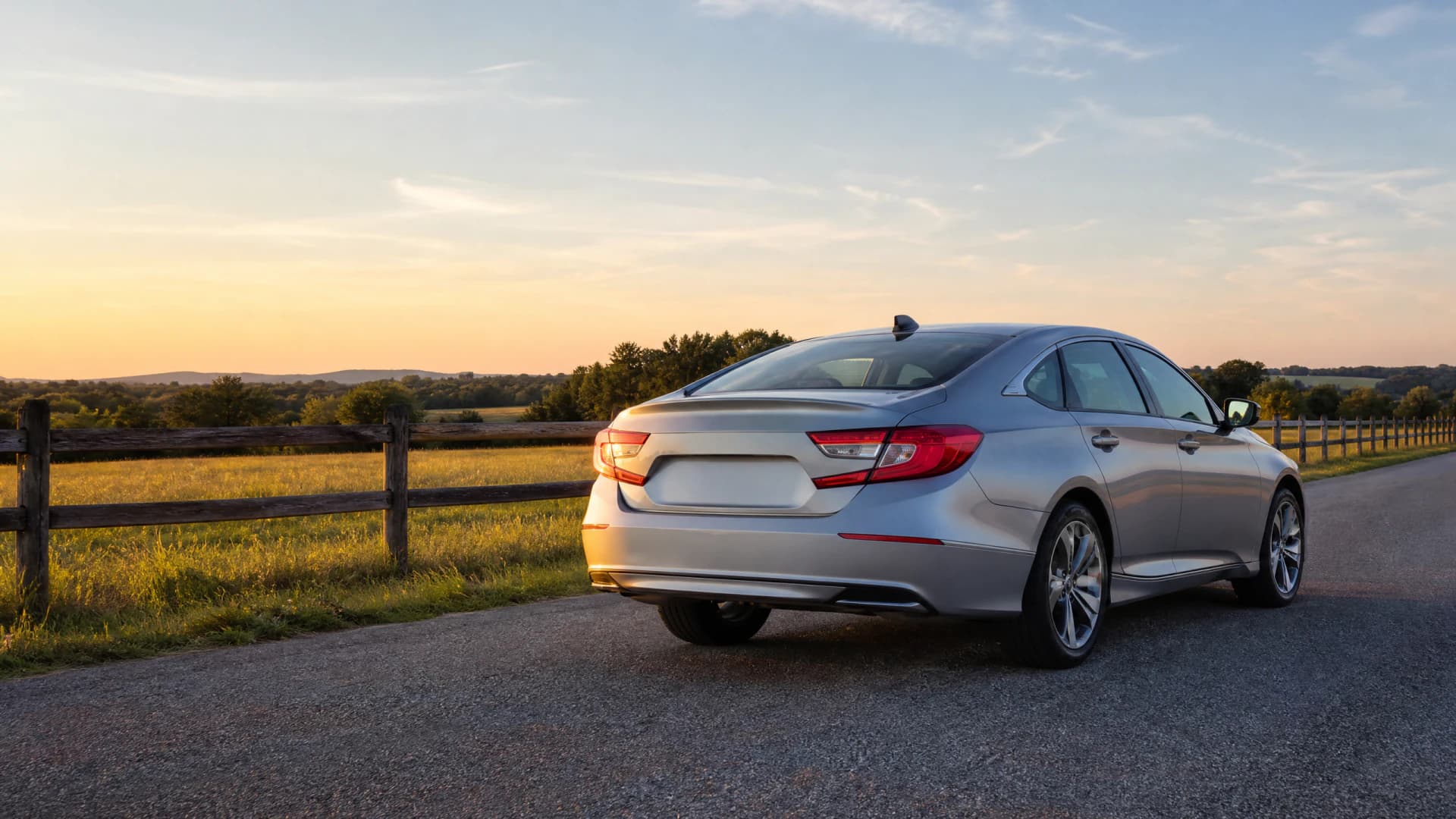
Your carrier will not ask whether your mileage dropped when you submit the mature-driver certificate. Low-mileage enrollment is a separate request you initiate at renewal or mid-term.
Related Articles







How to Enroll Mid-Term Without Waiting for Renewal
Most carriers allow you to request low-mileage reclassification mid-term as an endorsement to your current policy, which recalculates your premium effective the date of the change. Contact your agent or the carrier's customer service line, state that you are now driving significantly fewer miles annually than when the policy was written, and request enrollment in their low-mileage or usage-based program. The carrier will ask for your current odometer reading, your estimated annual mileage, and in some cases proof of the reduction such as retirement documentation or a statement that you no longer commute.
If the carrier uses telematics for mileage verification, they will send you a device or direct you to download their app. Installation or activation typically takes one business day, and the mileage tracking period begins immediately. Your premium adjustment appears either at the next billing cycle or as a prorated credit applied to the remainder of your current term, depending on carrier billing structure. If your carrier requires annual renewal to process mileage changes, ask whether a mid-term policy rewrite is available to avoid waiting six or eight months for the adjustment.
Odometer documentation standards vary. Some carriers accept a photo of your dashboard odometer with the date visible; others require a signed attestation form or an inspection at a licensed service center. Clarify the documentation requirement during your enrollment call to avoid processing delays. If your mileage drops below the carrier's threshold mid-year due to a life change such as a spouse surrendering their license or selling a second vehicle, document the change immediately and request the reclassification rather than waiting for the anniversary date.
25
Carriers Writing in Pennsylvania
At least 25 major carriers write auto insurance in Pennsylvania, but fewer than half offer standalone low-mileage programs or usage-based products with mileage tracking. Comparing mileage-threshold and enrollment-process differences across multiple carriers often surfaces a better fit than your current provider offers.
Pennsylvania Department of Insurance carrier licensing data

Telematics Programs: Which Help Seniors and Which Penalize
Telematics programs track driving behavior in addition to mileage: hard braking, rapid acceleration, time of day, and in some systems, phone handling while the vehicle is in motion. For retired drivers with low annual mileage, these programs can produce savings when your driving patterns align with the carrier's scoring model, but they can also penalize behaviors common to senior drivers such as cautious braking or short local trips with frequent stops.
Progressive's Snapshot and Nationwide's SmartRide both use telematics scoring that rewards smooth acceleration, gradual braking, and avoiding late-night driving. If you drive primarily during daylight hours, avoid highways, and take short local trips to medical appointments or errands, these programs may score your behavior favorably and amplify the low-mileage discount. Allstate's Drivewise includes a distraction component that penalizes phone handling during trips, which can affect drivers who use phone-mount navigation or hands-free calling systems if the app interprets the activity as distracted driving.
Before enrolling in a telematics program, ask the carrier which behaviors are scored, whether the program can increase your premium or only decrease it, and whether you can opt out after the initial measurement period if the score does not produce savings. Some telematics programs are discount-only and cannot raise your rate, while others are full usage-based insurance products where your score directly determines your premium each cycle. Clarify the structure before installation to avoid unintended rate increases.
Compare Carriers With Combined Discount Capacity
Once you have confirmed your current carrier's mature-driver discount is applied and verified whether they offer low-mileage enrollment, compare your existing premium against quotes from carriers that explicitly advertise both programs. Request quotes with your actual annual mileage stated upfront and confirm the mature-driver discount will apply once you provide the course certificate. Some carriers apply the mature-driver discount automatically at quote when you enter your age and course-completion status; others require the certificate before binding the policy and applying the discount.
When comparing quotes, ask each carrier what their low-mileage threshold is, how they verify mileage, and whether the program requires telematics or operates on annual attestation. A carrier offering a 10% low-mileage discount at a 7,500-mile threshold may produce a smaller total savings than a carrier offering 15% at 5,000 miles if your actual annual mileage is 4,000. The threshold and the discount percentage both matter, and carriers with lower thresholds often serve retired drivers more competitively than those built for commuter profiles.

Request Mileage Reclassification at Your Next Renewal
If your current carrier offers a low-mileage program and you have not yet enrolled, contact them before your next renewal notice generates. Provide your current odometer reading, your estimated annual mileage based on the past twelve months, and ask to enroll effective your renewal date. If the carrier requires telematics, complete the installation or app activation immediately so the measurement period begins before renewal and the adjustment appears on your renewed policy. If your carrier does not offer low-mileage options or sets the threshold above your actual usage, use the renewal window to compare quotes from carriers with programs that fit your mileage profile and apply both the statutory mature-driver discount and the mileage-based reduction from day one.
Which Carriers Offer Both Programs in Pennsylvania
Geico and Progressive both operate in Pennsylvania and offer low-mileage programs with telematics enrollment options. Geico's program historically used annual mileage attestation verified at renewal; Progressive offers Snapshot, which tracks mileage via app or plug-in device and adjusts rates based on actual usage. State Farm offers a mileage-based discount tier but requires agent-initiated enrollment and does not use telematics for Pennsylvania policies. Nationwide offers SmartMiles, a pay-per-mile product where your premium consists of a base rate plus a per-mile charge, which can produce significant savings for retirees driving under 5,000 annual miles but requires switching from a traditional policy structure to the usage-based product.
Erie, a preferred-tier carrier headquartered in Pennsylvania, offers the mature-driver discount as required by statute but does not advertise a separate low-mileage program statewide; ask your Erie agent directly whether mileage reclassification is available on your policy. Allstate and Travelers both write in Pennsylvania and offer mileage-based discounts, but threshold and enrollment details vary by underwriting territory. If your current carrier does not offer a low-mileage option or sets the threshold above your actual annual mileage, comparing quotes from carriers with lower thresholds or usage-based products becomes the path forward.
Get Your Free Quote
Compare Senior Auto Insurance RatesFrequently Asked Questions
Do I need to re-enroll in Pennsylvania's mature-driver discount every year?
No. The Pennsylvania mature-driver discount under 75 Pa.C.S. §1799.2 applies for three years from the date you complete the approved course. After three years, you complete a refresher course and submit the new certificate to maintain the discount. Your carrier applies it at every renewal as long as a valid certificate is on file.
Can I enroll in a low-mileage program mid-term or do I have to wait for renewal?
Most Pennsylvania carriers allow mid-term enrollment in low-mileage programs as a policy endorsement. Contact your carrier, provide your current odometer reading and estimated annual mileage, and request enrollment effective immediately. The premium adjustment typically applies at your next billing cycle or as a prorated credit on your current term.
Will telematics programs penalize me for driving slowly or making frequent stops?
Telematics programs score smooth braking and acceleration, not speed or trip frequency. Cautious gradual braking and steady acceleration typically score favorably. Hard braking and rapid acceleration reduce your score. Ask the carrier whether their program can increase your rate or only decrease it before enrolling.
What annual mileage qualifies for low-mileage discounts in Pennsylvania?
Thresholds vary by carrier. Most Pennsylvania carriers offering low-mileage programs set eligibility between 5,000 and 7,500 annual miles. Some usage-based products like Nationwide SmartMiles calculate premiums per mile with no fixed threshold. Ask each carrier what their specific mileage requirement is when requesting a quote.
Does the mature-driver discount apply to liability and collision coverage or just liability?
Pennsylvania's statutory mature-driver discount under 75 Pa.C.S. §1799.2 applies to the entire premium, including both liability insurance and physical damage coverages such as collision and comprehensive coverage. The 5% minimum reduction applies to your total premium, not just one coverage component.