
Kansas Car Insurance for Seniors: Lower Your Rates
Kansas requires 25/50/25 liability coverage and is a no-fault state.
Free to compare
Kansas at a Glance
25/50/25
Minimum liability limits, in thousands of dollars (per person / per accident / property)
No-fault
Each driver's own policy pays their injuries first, whoever caused the crash
Required
PIP and Uninsured motorist coverage must be on every policy
65
Age when license renewal rules change, with a vision test at renewal
Source: state DMV, insurance department and statute records, verified July 2026
Minimum Coverage Requirements in Kansas
Kansas operates under a traditional tort liability system, meaning the at-fault driver's insurance pays for damages — making adequate liability coverage essential since you can be sued beyond policy limits. Kansas law requires continuous proof of insurance, and driving without it triggers license suspension after 90 days of lapse. The Kansas Department of Insurance enforces these minimums, but for seniors on fixed income, understanding which coverages to keep and which to reconsider is a real budget decision.
Bodily Injury Liability
Property Damage Liability
Uninsured Motorist Coverage
Personal Injury Protection (PIP)
Collision Coverage
Comprehensive Coverage
What Drivers Pay in Kansas
$142–$177/mo
Typical monthly rate in Kansas, drivers 65 and over
Rate data: MoneyGeek and Insure.com, 2026
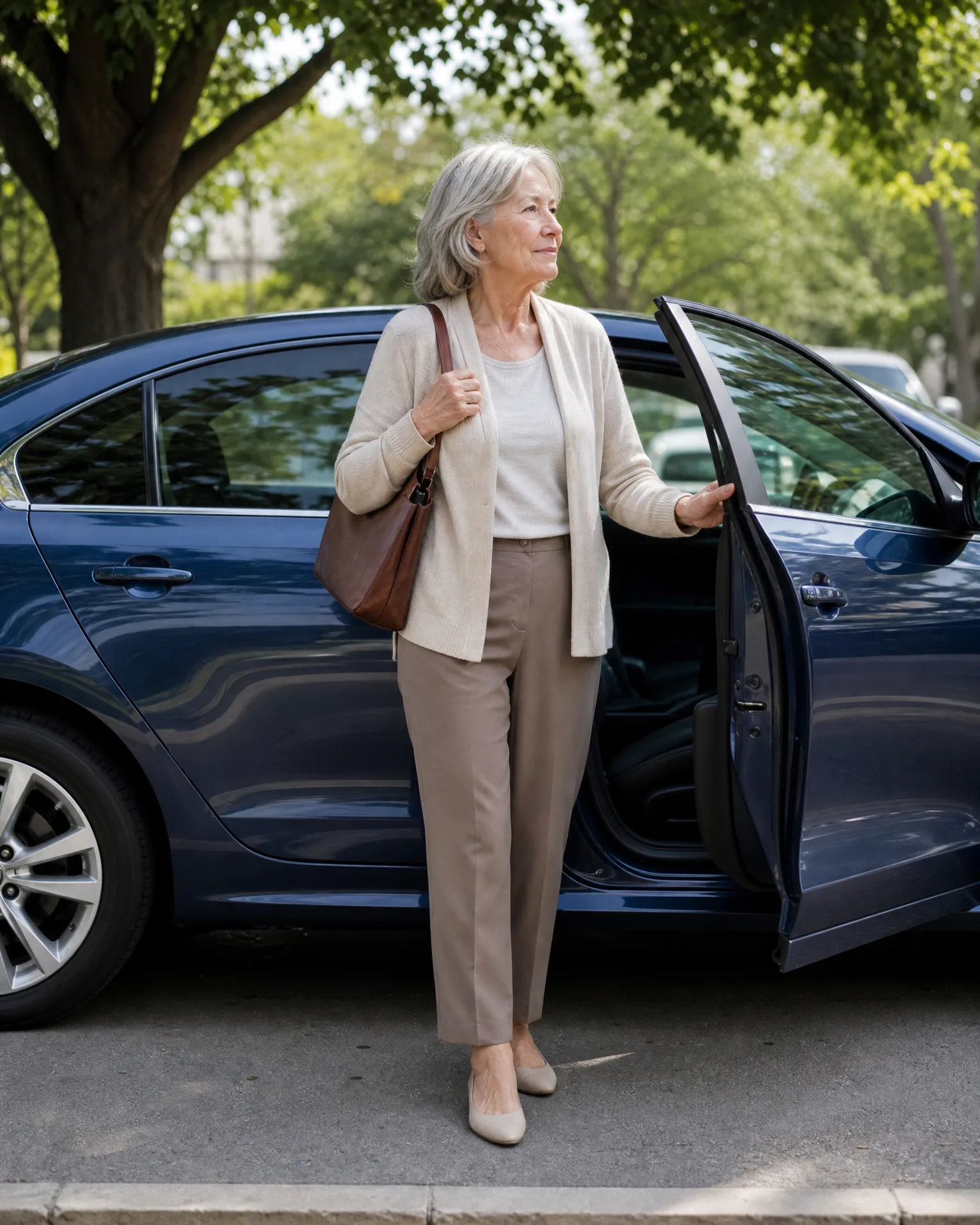
Keep Your Coverage Without Overpaying
Compare Senior Auto Insurance RatesMature-driver discount
Required by state law
K.S.A. 40-1112a (age-neutral, appropriate reduction, no fixed %)
Source: state statutes and insurance departments, verified July 2026
Coverage Types
Liability Insurance
Covers injuries and property damage you cause to others. Kansas minimums are insufficient for most seniors with retirement assets to protect.
Comprehensive Coverage
Covers non-collision damage including hail, theft, vandalism, and animal strikes. Often more valuable than collision for Kansas seniors.
Uninsured Motorist Coverage
Protects you when hit by a driver with no insurance. Must be offered in Kansas but can be rejected in writing.
Full Coverage
Liability plus comprehensive and collision. Required for financed vehicles but often unnecessary for seniors with paid-off older cars.